Last updated on 12 May 2026
Neurospell is a very impressive experimental automatic correction tool. It is based on artificial neural networks to offer a first online corrector to say the least surprising.
Etienne Monneret, an artificial intelligence specialist, is developing a tool that presents itself as the first neural automatic corrector. Neurospell is still in the development phase but the online version is already very impressive.
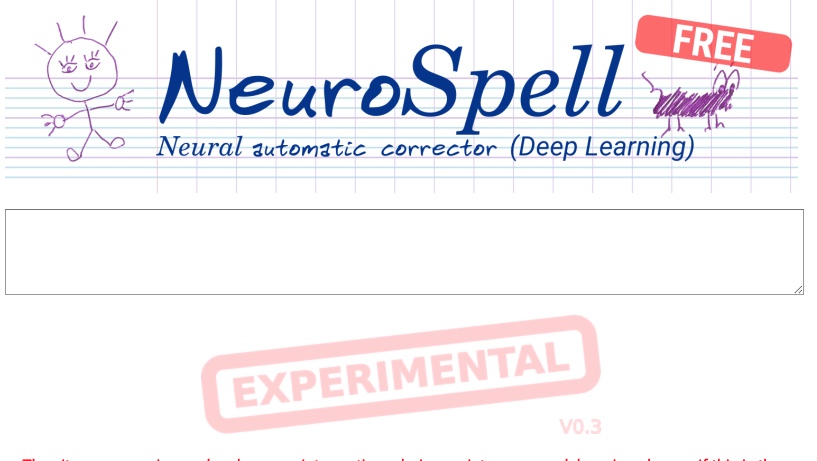
The tool uses artificial intelligence or more precisely an artificial neural network, or artificial neural network, which the Wikipedia friend describes as follows: It is a system whose design was originally schematically inspired by the functioning of biological neurons, and which subsequently moved closer to statistical methods. Already used by new machine translation tools such as the excellent Deepl e.g. Neurospell tries to apply it for correction.
Test it online. On the Neurospell homepage you have access to an input box that allows you to type your text. And if you write: I went to school with my new binder. I may even be friends with their show. These cool!" you will get in two or three seconds: I am went to l “school with my binder nine.I’ai pu see my buddies and their show. C “is cool! In bold Neurspell indicates the words whose correction he proposes. The corrector may also highlight one or more words to indicate to the user that he or she has a doubt. A small picto may also appear in the corrected sentence to suggest deletion.

Neurospell is not used as a Classic Correction Software. The author states that you should avoid testing NeuroSpell by inventing phrases that you would not normally have written. NeuroSpell was designed to deal with typical real-life error cases and to eliminate common mistakes such as mistakes on number or gender chords that cannot be heard in the ear, or written formulations that are pronounced in very similar ways.
Note that Neurospell is also used for both French and English and also offers the possibility to translate your text with a click.
Neurospell, I told you, is in the development phase. It may not have a huge interest in everyday use but it illustrates the progress of artificial intelligence by giving a first glimpse of the tools to help with the correction of tomorrow.
Link: Neurospell

 English
Hello Mr Fidel Navamuel
Thank you for sharing your discoveries with us. This article in particular arouses particular enthusiasm in me because I can ask my students to test this experimental version (they are Flemish computer scientists who have French lessons at the Ghent graduate school) and this will open their eyes to the link between computer science and languages!!!
I am a fan of your articles, thank you again!
Grietje de Graeve